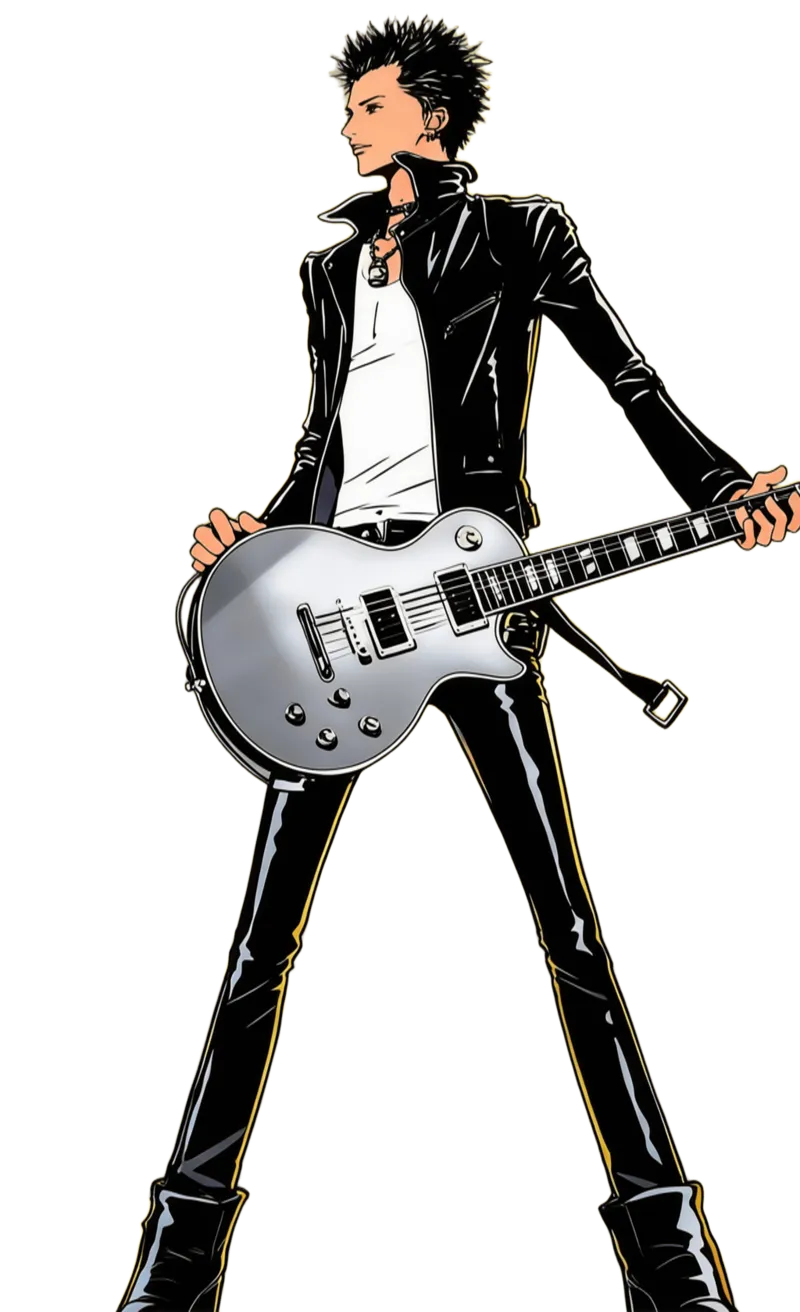
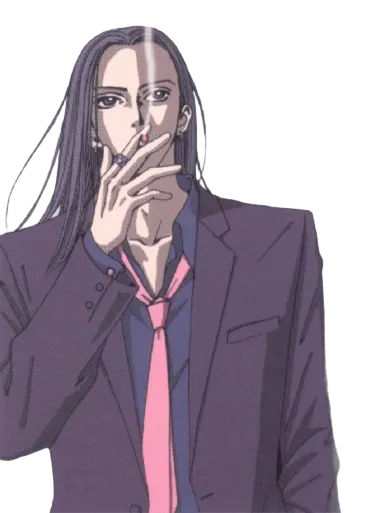
Takumi Ichinose
The Golden Cage Keeper
“I will protect my castle, no matter who I have to crush.”
Soul Dimensions
Personality Analysis
Surface
The charismatic leader. You are pragmatic, professional, and always in control. You view life as a chessboard, and you are the grandmaster. People rely on you because you get things done.
Deep Within
You are driven by a desperate need for a 'perfect family' that you never had. You control others because you don't trust the world to be kind to you. Your love is possessive and practical; you show care by building walls around people, not realizing those walls are a prison.
Your Gift
Leadership and execution. You can turn dreams into reality through sheer will. You offer a stability that chaotic souls find irresistible.
Your Shadow
Emotional tyranny. You prioritize 'what works' over 'what is right'. You invalidate others' emotions if they are illogical, leaving a trail of cold hearts behind you.
Advice
People are not assets to be managed. Try to listen to the song, not just the technical production. Let go of the control; true loyalty comes from freedom, not obligation.
Iconic Quotes
“Work comes first. Feelings come second.”
“I'll make a room for you where you won't get hurt.”
10 Defining Traits of Takumi Ichinose
pages.character.definingTraits.subtitle
- Prioritizes pragmatism and logic over emotional expression
- Deeply controlling in relationships, seeing it as protection
- Driven by desire to create the 'perfect family' he never had
- Exceptional leader and strategist in professional settings
- Shows care through providing structure and stability
- Struggles to validate emotions he deems 'illogical'
- Values loyalty and commitment above romantic feelings
- Builds walls around loved ones, sometimes creating prisons
- Difficulty distinguishing between protection and possession
- Believes love is demonstrated through actions, not words
Understanding Takumi Ichinose's MBTI Type
pages.character.mbtiExplained.subtitle
Takumi Ichinose embodies the ESFJ-A (Assertive Consul) type, though his expression is colder than typical ESFJs. His extroverted feeling (Fe) drives his need to create structure and care for others, but it's filtered through trauma and pragmatism. The sensing (S) function makes him focused on concrete realities—financial security, practical needs—rather than abstract ideals. His judging (J) preference shows in his need for control, planning, and structure in all aspects of life. The assertive (-A) variant explains his confidence and decisiveness, even in morally gray situations. What makes Takumi unusual for an ESFJ is how his protective instincts have twisted into control; he genuinely believes that managing every aspect of loved ones' lives is how you keep them safe and happy.
Famous Takumi Ichinose Quotes Explained
pages.character.quotesExplained.subtitle
“Work comes first. Feelings come second.”
This quote encapsulates Takumi's worldview: emotions are luxuries that must be subordinated to practical concerns. For Takumi, love isn't enough—you need money, stability, success. This philosophy stems from his childhood lack and his determination to never be vulnerable again. It resonates with anyone who has been told they're 'too practical' or who learned that feelings don't pay bills. However, it also reveals Takumi's limitation: his inability to see that emotional needs are also real needs, that work can't replace intimacy.
“I'll make a room for you where you won't get hurt.”
On the surface, this sounds protective and loving. But the metaphor of a 'room' reveals Takumi's approach: he will create a safe space, but it's one he controls, with defined boundaries. He's not asking what kind of space you want; he's building what he thinks you need. This quote shows both his genuine care (he wants to protect) and his fundamental issue (he thinks love means controlling your environment to prevent pain). For those who've experienced this type of 'love,' it's suffocating even when well-intentioned.
Living as Takumi Ichinose: A Guide
pages.character.livingGuide.subtitle
Living as Takumi Ichinose means learning that control isn't love and that emotions aren't weaknesses to be managed. In daily life, practice asking rather than deciding for others—'What do you need?' instead of 'Here's what I've arranged.' Your strategic mind is valuable, but not everything requires optimization; some things (relationships, creativity, joy) need space to be messy. In relationships, work on listening to emotions without immediately trying to 'fix' or dismiss them as illogical. Recognize when your protection feels like a cage to others. Your desire for a perfect family is valid, but perfection often kills genuine connection. Learn to sit with discomfort rather than controlling it away. Your provision and stability are real expressions of love, but occasionally say 'I love you' too. Challenge the belief that vulnerability equals weakness—letting people make their own choices, even mistakes, is how you show respect. Professionally, your leadership and execution are strengths; personally, learn to follow sometimes. Takumi's growth is understanding that love means trusting people with their own lives, that chaos isn't always bad, and that your worth isn't measured by how well you manage everyone.
What Makes Takumi Ichinose Special
pages.character.whatMakesSpecial.subtitle
Takumi Ichinose is special because he represents a type of love that society often accepts but shouldn't: controlling, possessive care disguised as protection. Unlike obviously abusive characters, Takumi genuinely believes he's doing right—providing, protecting, building security. This makes him both more relatable and more dangerous. He validates those who show love through acts of service and provision but struggle with emotional intimacy. Takumi shows the dark side of pragmatism: when logic becomes an excuse to dismiss feelings, when protection becomes control, when structure becomes a prison. He represents everyone who learned that vulnerability is dangerous and that love means building walls around people to keep them safe. What makes Takumi compelling is his tragedy: he wants connection desperately but his methods destroy it. He resonates with those who've been taught that emotions are weaknesses, that only results matter, that love is demonstrated through achievement and provision rather than presence and understanding. Takumi doesn't offer redemption; he offers a warning about what happens when you try to love without softness.
Frequently Asked Questions About Takumi Ichinose
pages.character.faq.subtitle
Why did I get Takumi Ichinose in my test results?
You likely got Takumi because your responses showed prioritization of practical concerns over emotional ones, a tendency toward control in relationships (often from a protective place), and a belief that love is shown through actions and provision rather than emotional expression. Takumi types often have experienced instability and have overcompensated by becoming hyper-controlling and success-driven. You may struggle with validating emotions you find illogical.
Is being like Takumi bad?
Not inherently. Takumi's drive, strategic thinking, and ability to provide stability are valuable. The problem is when these traits cross into controlling behavior that doesn't respect others' autonomy. Being practical and action-oriented is fine; dismissing emotions as irrelevant or managing people like projects isn't. The key is recognizing when your 'protection' becomes possessiveness and when your logic invalidates legitimate feelings.
How can Takumi types have healthier relationships?
Learn to ask instead of decide: 'What do you need?' not 'Here's what I've arranged.' Practice listening to emotions without immediately trying to fix or dismiss them. Recognize that people need agency even if they make choices you disagree with. Your provision is valuable, but occasionally verbalizing affection matters too. Work on seeing emotions as data points as valid as financial security. Find partners who can assert boundaries when your control gets excessive. Therapy can help unpack why you equate love with control.
What careers suit Takumi Ichinose personality types?
Takumi types excel in leadership roles: business executives, managers, entrepreneurs, financial planners, or any strategic position requiring decision-making and organization. You thrive in competitive environments and when building systems or structures. Your pragmatism and focus on results make you successful in corporate settings. However, consider careers where your controlling tendencies are channeled productively (project management) rather than harmfully (micromanaging people's personal lives).
Can Takumi types learn emotional intelligence?
Yes, absolutely. Emotional intelligence can be developed. Start by recognizing that emotions, while not always logical, are real and valid. Practice the skill of listening without immediately problem-solving. Read about emotional needs and learn that security, affection, autonomy are all legitimate requirements. Work with a therapist to understand why you dismiss feelings (often it's because acknowledging them feels threatening). The goal isn't to become emotionally expressive like an F type; it's to respect emotions as important data alongside practical concerns.
What's the difference between Takumi and Nana Osaki in terms of control?
Both are controlling, but from different places and in different ways. Nana Osaki's control comes from fear of abandonment and is emotionally possessive—she wants to be needed. Takumi's control comes from a desire to create perfect stability and is practically possessive—he wants to manage outcomes. Nana Osaki will push you away if you get too close; Takumi will build a gilded cage around you. Both need to learn that love requires trust and autonomy, but Takumi must particularly learn that you can't optimize intimacy.