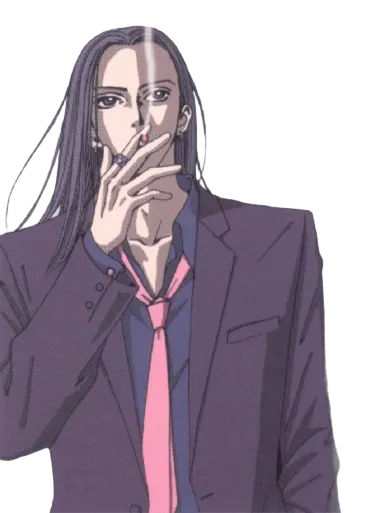
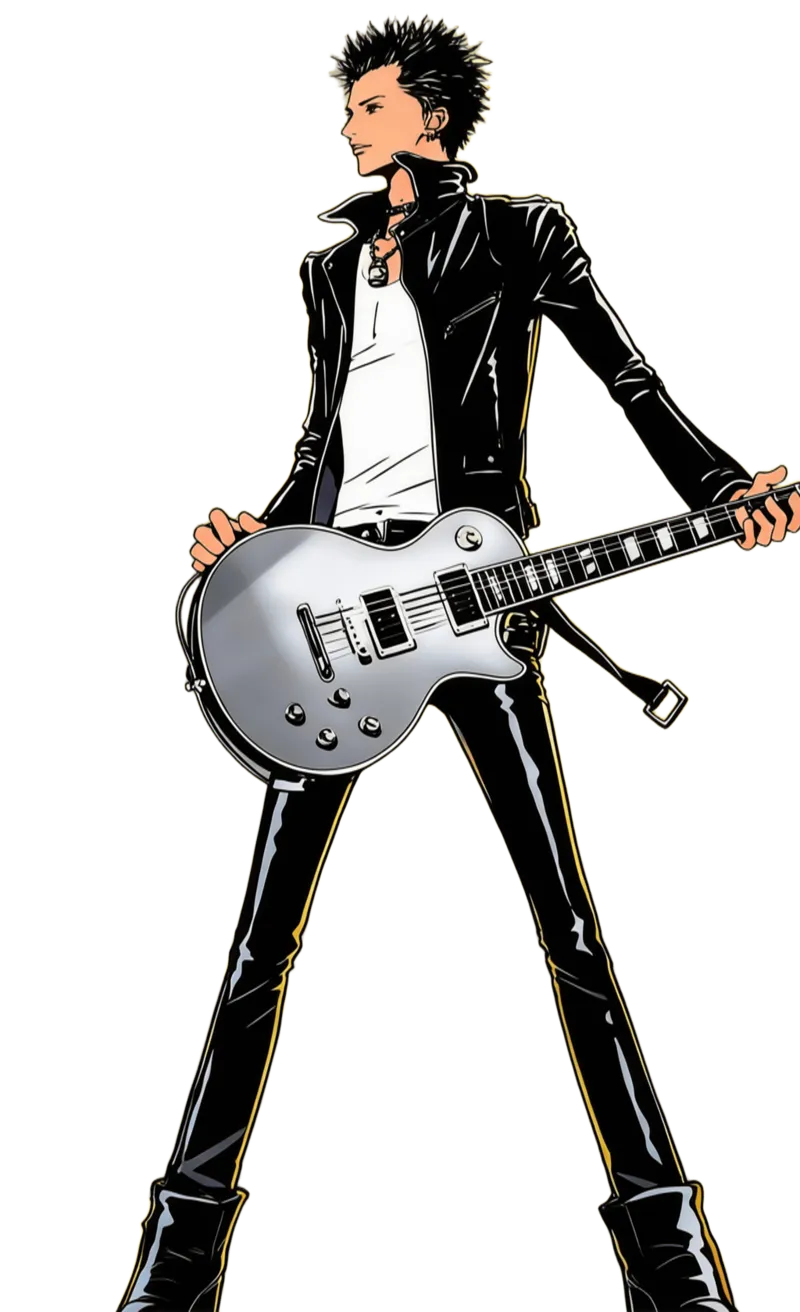
Ren Honjo
The Lonely Sid Vicious
“I can't live without you, but I can't live with you.”
Soul Dimensions
Personality Analysis
Surface
Cool, silent, and effortlessly talented. You don't speak much, letting your guitar do the talking. You seem to drift through life with a detached amusement, unbothered by the chaos of fame.
Deep Within
You are a child abandoned in a warehouse, forever waiting for someone to come back. Your addiction isn't just to substances, but to the feeling of being needed. You are trapped between your ambition and your emotional anchoring, slowly drowning in the gap between them.
Your Gift
Pure, unadulterated genius. You can turn complex emotions into simple, piercing melodies. You love with a depth that is terrifyingly absolute.
Your Shadow
Fatalism. You believe you are destined for tragedy, so you stop fighting the current. You use silence to hide pain until it rots you from the inside.
Advice
Speak. Your silence is not protecting anyone; it is building a wall. Tell her you are hurting. Tell her you are scared. The music isn't enough to save you anymore.
Iconic Quotes
“I'll keep singing until my voice gives out.”
“Nana, I'm lonely.”
10 Defining Traits of Ren Honjo
pages.character.definingTraits.subtitle
- Uses silence as both protection and weapon
- Deeply dependent on emotional anchors despite appearing detached
- Channels complex emotions through music rather than words
- Struggles with fatalism and belief in inevitable tragedy
- Exceptionally talented but insecure about worthiness
- Addictive personality seeking escape from inner pain
- Loyal to the point of self-destruction
- Difficulty expressing vulnerability verbally
- Haunted by abandonment from childhood
- Seeks validation through achievement and being needed
Understanding Ren Honjo's MBTI Type
pages.character.mbtiExplained.subtitle
Ren Honjo is a classic ISTP-A (Assertive Virtuoso). His introverted thinking (Ti) processes emotions internally, leading to his characteristic silence even when hurting. The sensing (S) function grounds him in the present moment and physical sensations—both in music and in his struggles with substance use. His perceiving (P) preference shows in his adaptable, go-with-the-flow approach to life's chaos. The assertive (-A) variant explains his outward confidence and ability to perform under pressure, even while battling inner demons. Ren's ISTP nature makes him a master of his craft (guitar) but struggles with emotional expression, preferring action over words. His difficulty verbalizing feelings is典型 ISTP, as is his tendency to show love through acts rather than declarations.
Famous Ren Honjo Quotes Explained
pages.character.quotesExplained.subtitle
“I'll keep singing until my voice gives out.”
This quote reveals Ren Honjo's relationship with his art: music is both his survival mechanism and his way of communicating what he can't speak. The phrase 'until my voice gives out' carries a double meaning—his literal singing voice and his metaphorical voice/agency. It shows his commitment to expression through performance, even as he struggles to express himself in relationships. For Ren, music is the language he's fluent in when words fail.
“Nana, I'm lonely.”
Perhaps Ren's most vulnerable moment, these three words break through his usual silence to express the core of his struggle. Coming from someone who rarely verbalizes feelings, this admission is monumental. It reveals that beneath the cool, detached exterior, Ren Honjo is desperately lonely and needs emotional connection. The simplicity of the statement makes it more powerful—he's not explaining or justifying, just stating a truth he can no longer contain. This resonates with anyone who struggles to ask for the comfort they need.
Living as Ren Honjo: A Guide
pages.character.livingGuide.subtitle
Living as Ren Honjo means learning that silence isn't always strength—sometimes it's avoidance. In daily life, practice verbalizing feelings even when it's uncomfortable; start small with 'I need help' or 'I'm struggling.' Your talent is real, but don't let achievement become your only source of worth. Find healthy outlets for stress instead of destructive escapes—physical exercise, music, or creative expression. In relationships, remember that people can't read your mind; your silence can feel like rejection even when you're just processing. When you feel the pull toward fatalism ('this will end badly anyway'), challenge it—you have more agency than you think. Your loyalty is beautiful, but not when it means sacrificing your wellbeing. Learn to distinguish between being needed (which you crave) and being valued for who you are, not what you provide. Seek professional help for addictive patterns before they consume you. Ren Honjo's growth path is learning that asking for connection isn't weakness, that your silence builds walls even when you don't mean it to, and that you deserve love not for your talent but for your humanity.
What Makes Ren Honjo Special
pages.character.whatMakesSpecial.subtitle
Ren Honjo is special because he represents the silent sufferer—those who hurt deeply but can't or won't speak it. In a world that values emotional expression, Ren validates those for whom feelings are more easily played than said. His genius with music paired with emotional inarticulacy resonates with anyone who has a passion they can channel into but struggles with basic human connection. Ren shows that you can be incredibly talented and still feel worthless, successful and still lonely, loved and still abandoned. His fatalism speaks to those who've been hurt enough that hope feels naive. What makes Ren Honjo compelling is his quiet desperation—he's not dramatically broken; he's slowly drowning while appearing fine. He validates the experience of needing someone so badly it scares you, of using achievement to fill emotional voids, of addiction as escape rather than recreation. Ren doesn't offer easy redemption; he offers recognition of how hard it is to save yourself when you don't believe you deserve saving.
Frequently Asked Questions About Ren Honjo
pages.character.faq.subtitle
Why did I get Ren Honjo in my test results?
You likely got Ren Honjo because your responses showed a pattern of emotional restraint, internal processing, and possibly using achievement or skills to cope with deeper struggles. Ren Honjo types often have difficulty verbalizing feelings, may struggle with fatalism or believing relationships will inevitably fail, and tend to show love through actions rather than words. You might also have indicated dependence on specific people as emotional anchors while appearing independent to others.
Is Ren Honjo's silence healthy?
No, not when it becomes a wall. While needing time to process internally is valid (typical for ISTP types), Ren's silence becomes destructive when it prevents him from getting help or communicating needs. Healthy silence is taking time to think; unhealthy silence is suffering alone because you can't or won't ask for support. The key is learning when your silence is self-protection versus self-isolation.
How can Ren Honjo types express emotions better?
Start small: practice naming feelings even if you don't share them ('I feel angry/sad/scared'). Write feelings down if speaking is too hard. Use your creative outlets (music, art, physical activity) to process emotions, then try to translate those into words. Find patient people who understand you show love through actions but also need you to occasionally verbalize. Remember: asking for help isn't manipulation; it's honesty. Therapy can provide a safe space to practice emotional expression.
What careers suit Ren Honjo personality types?
Ren Honjo types excel in skilled, technical work: musicians, technicians, mechanics, engineers, craftspeople, or any field requiring mastery of a specific skill. You thrive when you can work independently or in small, trusted teams. Avoid careers requiring constant verbal communication or emotional expression. You need work that produces tangible results and allows you to achieve excellence, as achievement often helps you feel valued.
Can Ren Honjo types have healthy relationships?
Yes, but it requires conscious effort. Healthy relationships for Ren types involve partners who understand that silence isn't rejection and who can accept action-based love. However, you must work on verbalizing needs occasionally—people aren't mind readers. Choose partners who are patient but also challenge your tendency toward fatalism. Address addictive patterns before they poison relationships. Remember: being needed isn't the same as being loved; find people who value you for who you are, not just what you provide.
How do Ren Honjo types deal with abandonment issues?
Ren's abandonment wound runs deep and requires healing. Therapy can help process childhood trauma. Recognize when you're recreating abandonment scenarios because they feel familiar. Challenge the belief that everyone will leave—find evidence of people who've stayed. Build a support network beyond one person so you're not completely dependent on a single emotional anchor. Work on self-worth that isn't based on being needed. The goal isn't to stop needing people; it's to need them from a place of security rather than desperation.