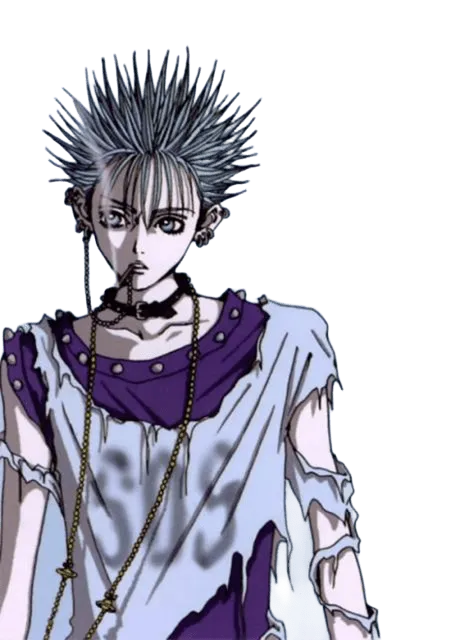
Shinichi Okazaki
The Lost Blue Butterfly
“Adults are just dirty children.”
Soul Dimensions
Personality Analysis
Surface
Mature beyond your years, cynical, and mysterious. You use your charm as a currency because it's the only value you've been taught you have.
Deep Within
You are a child who was forced to grow up too fast. You crave a mother figure, yet you sexualize intimacy because that's the only way you know how to connect.
Your Gift
Wisdom and perception. You see the ugliness of the world clearly but still seek beauty.
Your Shadow
Transactional relationships. You forget that you are worthy of love without paying for it.
Advice
You are allowed to be a child. You don't have to sell pieces of yourself to be whole.
Iconic Quotes
“I'm an expert at being abandoned.”
10 Defining Traits of Shinichi Okazaki
pages.character.definingTraits.subtitle
- Mature beyond years, forced to grow up too quickly
- Uses charm and sexuality as currency and defense mechanism
- Deeply cynical about adult motivations and 'love'
- Craves genuine mother-figure relationship and unconditional care
- Highly perceptive about others' true intentions
- Struggles with self-worth tied to physical attractiveness
- Difficulty trusting that affection isn't transactional
- Loyal to found family, protective of those who see past the surface
- Uses sarcasm and emotional distance as protection
- Seeks beauty and authenticity despite seeing ugliness clearly
Understanding Shinichi Okazaki's MBTI Type
pages.character.mbtiExplained.subtitle
Shin represents the INFP-T (Turbulent Mediator) type, though his expression is more cynical than typical INFPs. His introverted feeling (Fi) holds deep values about authenticity and genuine connection, even as his experiences have made him jaded. The intuitive (N) function makes him perceptive about others' true motivations beneath surface behavior. His perceiving (P) preference shows in his adaptable, go-with-the-flow approach to life's chaos. The turbulent (-T) variant explains his self-doubt and sensitivity to how others perceive him—he questions his worth constantly. What makes Shin unusual for an INFP is how his idealism has been corrupted by exploitation; he still wants genuine love but doesn't trust it exists.
Famous Shinichi Okazaki Quotes Explained
pages.character.quotesExplained.subtitle
“Adults are just dirty children.”
This quote reveals Shin's fundamental disillusionment: the people who should have protected his childhood instead exploited it. 'Dirty children' suggests adults have the same selfishness and lack of control as children but with the power and sophistication to cause real harm. It's a cynical but perceptive observation from someone forced to see the ugly side of adult desire too young. This resonates with anyone who had to grow up fast and learned that authority figures aren't necessarily trustworthy or moral. Shin's insight is both his shield and his wound.
“I'm an expert at being abandoned.”
Devastating in its matter-of-fact tone, this quote shows how Shin has normalized abandonment to protect himself from the pain. By claiming 'expertise,' he pretends it doesn't hurt anymore—but the fact that he says it reveals the hurt is still there. It speaks to anyone who has been left so many times that they expect it, who armors themselves with dark humor about their trauma. Shin's tragedy is that he's become so good at being abandoned that he doesn't know how to accept someone staying.
Living as Shinichi Okazaki: A Guide
pages.character.livingGuide.subtitle
Living as Shin means unlearning the lie that your worth is your body or your ability to please others. In daily life, practice receiving affection without immediately questioning what the person wants from you—not all kindness is transactional. Your cynicism protected you, but now it might be keeping out genuine care; work on distinguishing between appropriate wariness and automatic rejection of intimacy. Seek therapy to process childhood exploitation; this wound needs professional help. Learn that being vulnerable isn't the same as being used—you can have boundaries while also accepting love. Your perceptiveness about people is a strength, but don't let it make you see ugliness where there's actually beauty. In relationships, find people who value your thoughts and personality, not just your appearance. Remember: you are allowed to be a child sometimes, to need comfort without earning it, to be cared for without performing. Your charm is real, but so is your intelligence, loyalty, and capacity for deep feeling. Professionally, use your social perceptiveness but don't sexualize yourself for advancement. Shin's growth is learning that you deserve love for existing, not for what you provide, that your worth isn't your body, and that some people genuinely want your happiness without strings attached.
What Makes Shinichi Okazaki Special
pages.character.whatMakesSpecial.subtitle
Shin is special because he represents those who had to sell pieces of themselves to survive, who learned that affection always has a price. Unlike characters with healthy childhoods, Shin shows the impact of early sexualization and exploitation—how it makes you simultaneously sophisticated and stunted, cynical and desperate for genuine care. He validates anyone who has used their attractiveness as currency because other forms of power weren't available to them, who knows the difference between being desired and being valued. Shin shows that you can be aware of ugliness and still seek beauty, that cynicism can coexist with a deep need for authentic connection. His relationship with older figures is complex—he sexualizes intimacy because that's the only kind he knows, but what he really wants is unconditional maternal care. What makes Shin compelling is his perceptiveness; he sees through everyone's motivations because he had to for survival. He resonates with those who grew up too fast, who can't remember ever being innocent, who crave tenderness but don't trust it. Shin doesn't offer easy healing; he offers recognition that some wounds are deep and recovery is slow, that you can be wise and still need someone to mother you.
Frequently Asked Questions About Shinichi Okazaki
pages.character.faq.subtitle
Why did I get Shinichi Okazaki in my test results?
You likely got Shin because your responses showed a pattern of using charm or attraction as a defense mechanism, cynicism about others' motivations, and a craving for genuine care beneath a sophisticated exterior. Shin types often had to mature early due to circumstances, may struggle with transactional views of relationships, and are highly perceptive about people's true intentions. You might feel you were forced to grow up too fast and lost some innocence in the process.
Is Shin's sexualization of relationships unhealthy?
Yes, when it's the only way he knows to connect. Shin sexualizes intimacy because he was taught that's his value and his currency. It's a trauma response, not a healthy relationship pattern. The problem isn't sexuality itself; it's when sex replaces other forms of intimacy because you don't trust you're valuable otherwise. Healing for Shin types means learning that you can be close to people without it being sexual, that your worth isn't your body, and that intimacy can be safe and non-transactional.
How can Shin types build healthy relationships?
First, work with a therapist to process trauma around early sexualization and abandonment. Learn to identify when you're using charm manipulatively versus being genuinely yourself. Practice non-sexual intimacy—cuddling, conversation, vulnerability without it leading to sex. Find people who value your thoughts and personality, not just your attractiveness. When you feel the urge to sexualize a relationship, ask: 'Am I actually attracted, or am I trying to control the situation?' Build relationships slowly, testing if people stay when you're not performing. The goal is experiencing unconditional positive regard.
What careers suit Shinichi Okazaki personality types?
Shin types often excel in fields requiring social perceptiveness: psychology, counseling, marketing, sales, entertainment, or creative arts. Your ability to read people and present yourself strategically is valuable. However, avoid careers that require you to sexualize yourself or use your appearance as primary currency—that reinforces old wounds. Find work where your intelligence and insight are the assets being valued. Creative fields let you express the deep feeling beneath your cynical surface.
Can Shin types learn to trust unconditional care?
Yes, but it takes time and consistent evidence. Shin types need to experience care that doesn't have strings attached repeatedly before the pattern breaks. Therapy provides this—a relationship where you're cared for without having to earn it sexually or emotionally. Find patient people who understand your wariness and don't punish you for it. Start small: accept small kindnesses without immediately questioning motives. Over time, with enough contrary evidence, your brain can learn that not all affection is transactional. Healing is possible.
How do Shin types handle their need for mother-figure relationships?
Shin's craving for maternal care is normal and valid—he was deprived of it when it was developmentally necessary. Finding healthy mother figures (teachers, mentors, therapists, older friends) can be healing, but be careful not to sexualize these relationships. Work with a therapist to understand the difference between maternal affection and romantic attraction. Allow yourself to be 'young' sometimes—to need comfort, to be cared for, to receive without performing. Your inner child needs nurturing; it's okay to seek that in age-appropriate, boundaried ways.